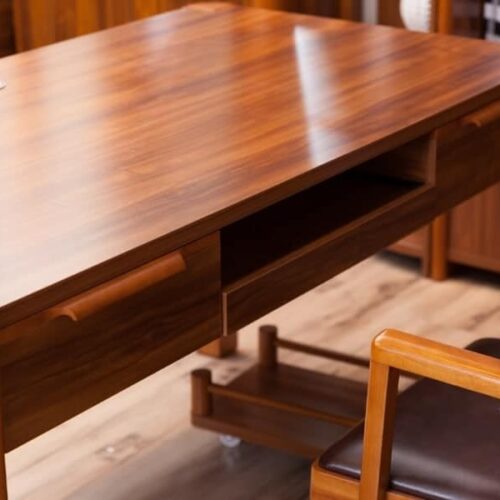
We’ve all been there. You host a great dinner party or enjoy a Sunday night pizza, only to clear the table and find a ghostly white ring or a cloudy “pizza box” rectangle staring back at you.
It looks like the finish is ruined, but don’t panic—you haven’t actually “burnt” the wood. You’ve just trapped a little bit of moisture under the surface. At Furniture Care Products, we get asked how to fix this more than almost anything else.
Here is the easiest, safest, and most reliable way to restore your furniture without calling in a professional.
1. The “Gold Standard” Fix: The Hairdryer Method
This is the safest method because it uses the same element that caused the problem—heat—to solve it, but in a controlled way.
Why it works: The hairdryer gently warms the finish just enough to reopen the pores, allowing the trapped moisture to evaporate.
The Steps:
Clean the surface with a soft, dry cloth to ensure there’s no dust or grit.
Set your hairdryer to a medium-low heat setting.
Hold it about 5–10cm away from the mark.
Move the dryer back and forth constantly (don’t leave it in one spot!).
After 2–3 minutes, you’ll notice the white cloud start to “dissolve.” Keep going until it’s completely gone. A good rule: Don’t heat it hotter than you can comfortably touch.
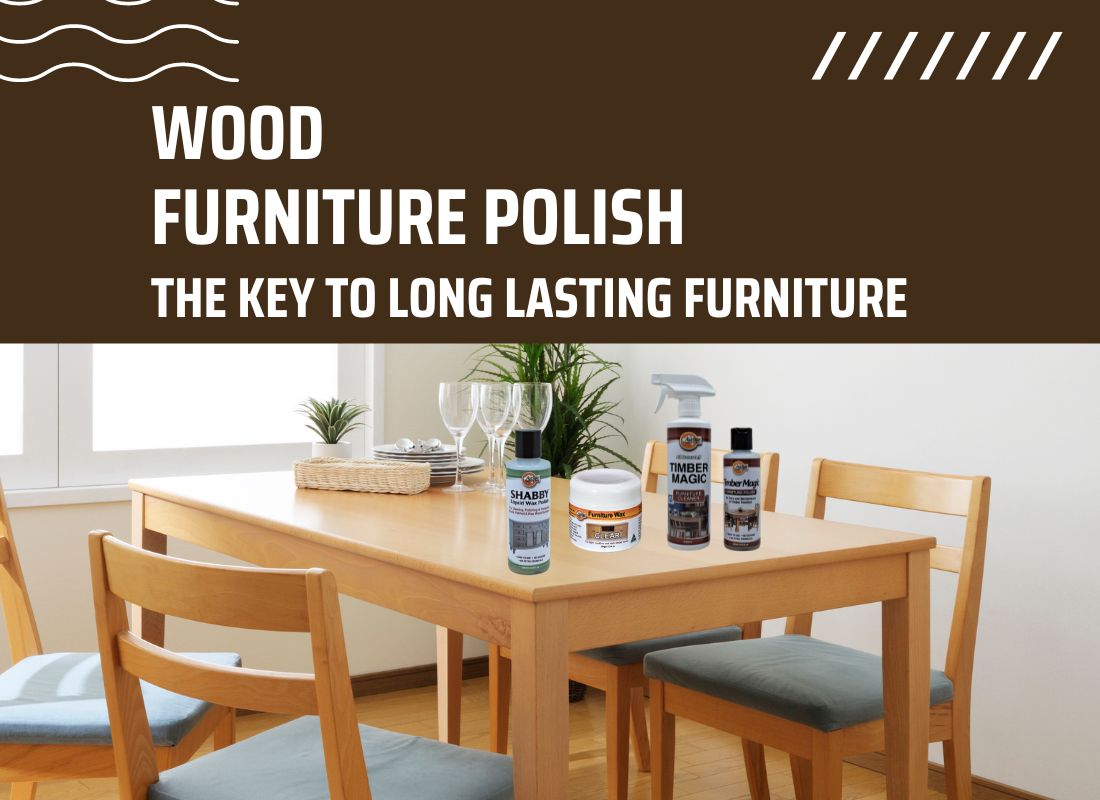
Pro Tip: Once the mark vanishes, apply a high-quality [Furniture Polish or Wax] to “seal” the surface and restore the luster.
2. The “Slow & Steady” Fix: The Oil Method
If you’re nervous about using a hairdryer, or if the mark is quite old, the oil method is a great alternative. It’s particularly effective on veneer furniture where you want to be extra gentle.
Why it works: Dense oils can slowly penetrate the finish and displace the water molecules.
The Steps:
Apply a thin layer of Mayonnaise or Petroleum Jelly (Vaseline) over the mark. (Yes, really!)
Let it sit for at least 4 hours—overnight is even better for stubborn rings.
Wipe it away with a clean cloth. If the mark is still there, the oil hasn’t reached the moisture yet; you may need to try the hairdryer method.
3. The “Stubborn Stain” Fix: The Iron Method
If the hairdryer isn’t quite powerful enough, you can level up to a clothes iron, but you must be careful.
The Rules: NO STEAM. Empty the water from your iron first. Steam will only add more moisture and make the problem worse.
The Steps:
Lay a clean, dry cotton t-shirt or tea towel over the mark.
Set the iron to its lowest heat.
Run the iron over the towel for 10–15 seconds.
Lift the towel to check. Repeat in short bursts until the mark is gone.
What to Avoid
Abrasives: Avoid “hacks” involving toothpaste or baking soda unless you are prepared to potentially dull the finish. These work like liquid sandpaper and can leave a permanent “flat” spot on a shiny table.
Direct Heat: Never put an iron directly on the wood. Always use a barrier.
There are solutions shown but I would be very careful as these are DIY solutions and my advice is, if you a nervous or unsure call in the help of a professional furniture repairer.
Here’s what I have found. They are all similar with slight variations but they all seemed to get a good result.
Hope this gave you at least a couple of alternatives to getting rid of heat marks on your wood furniture.
Handy Tips:
- Never put hot pots or pans directly on a wood table top.
- Coasters, trivets and hot pads can also be used to protect your table.
- Avoid using any type of cover that has a rubber or vinyl backing on it. These materials have chemicals in them that can permanently ruin the wood finish.
- Protecting the tops of wood furniture is essential to avoid scratches and dings. Using a tablecloth on a wood table is a great idea if the table is used often. Besides accenting the look of your wood table, it will also protect the table surface.
- Always use premium quality silicone free furniture polish to clean and care for your timber furniture.
Find out how to choose the right furniture polish.
Disclaimer: The information provided in this article is for educational purposes and reflects the best practices for common timber finishes. However, because every piece of furniture is unique—varying in age, material, and chemical finish—we always recommend testing any method on a small, inconspicuous area first. Furniture Care Products cannot be held responsible for any damage resulting from the application of these techniques. If you are dealing with a valuable antique or a delicate specialty finish, we recommend consulting a professional restorer before proceeding.